
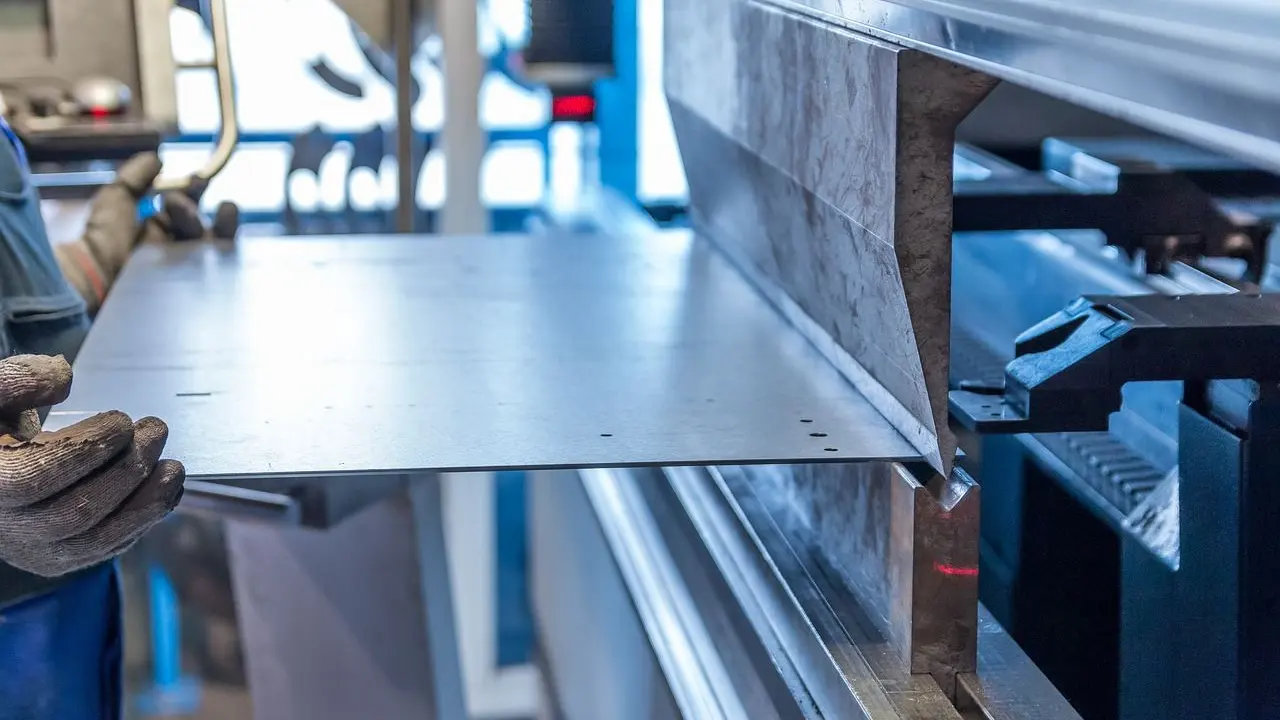
Wondering what is equipment financing before you commit to a big purchase? It is a loan or lease that lets a business acquire equipment without paying the full price upfront, with the equipment usually acting as collateral. Terms vary by provider and country.
This explainer sits within the wider topic of small business funding and covers one common way to pay for machinery, vehicles and tools.
| Item | Value |
|---|---|
| Loan amounts | $5,000 – $10+ million |
| Interest rates | 3% – 30% APR |
| Repayment terms | 12 – 120 months |
| Turnaround time | 2 business days to weeks |
| Common minimum time in business | 12+ months |
These ranges come from Nav’s equipment financing guide, dated May 3, 2026. Figures can change and differ between lenders, so check the source before you rely on them.
How equipment financing works
According to Nav’s guide dated May 3, 2026, equipment financing is the use of a loan or lease to acquire equipment for a business. It lets a business get or upgrade equipment without laying out a large sum of cash.
Nav describes two main steps: find the equipment you need, then explore ways to finance it. Financing may be offered by:
- The manufacturer or dealer selling the equipment
- Banks and other financial institutions
- Equipment financing companies, including online lenders
- Marketplaces that match borrowers with companies offering loans or leases
The equipment itself usually secures the deal. FitSmallBusiness, in a page updated April 23, 2025, says lenders often use a UCC filing to secure their interest in the collateral, which lets them take possession of the equipment if the borrower defaults.
Equipment loans vs leases
With a loan, the business borrows to buy the equipment and owns it. FitSmallBusiness (April 23, 2025) puts the main difference this way: a loan lets owners keep the equipment once the balance is fully paid, while a lease can offer options to return, upgrade or purchase it at the end of the term.
The same source lists these trade-offs for loans compared with leases:
- Lower long-term cost than leasing
- Higher down payment requirements
- Higher monthly payments
- A harder path to upgrading the equipment
Leasing works differently. SmartAsset, in a page updated August 9, 2025, says leasing can need no down payment and may be easier to qualify for. It also warns that lease payments can add up to more than the payments on a loan, and the business will not own the equipment at the end.
Lease structures vary. FitSmallBusiness describes two examples:
- A $1 buyout lease, where you can buy the equipment for $1 at the end of the term
- A 10% option lease, where you can buy the equipment for 10% of its value once the initial term ends

What equipment can be financed?
Nav says most tangible assets used to run a business may be financed. Its examples include:
- Computers and IT equipment
- Restaurant equipment
- Healthcare and dental practice equipment
- Construction equipment
- Trucks and trailers
- Farm and agricultural equipment
Whether a particular item qualifies depends on the provider. Used equipment, software and very specialised machines may be treated differently, so the lender’s own terms are what count.
What equipment financing can cost
Published ranges are wide. Nav’s guide, dated May 3, 2026, lists interest rates of 3% – 30% APR, and says you will typically see rates of 8-25%, though lower rates are available to well qualified borrowers.
The same Nav page lists loan amounts of $5,000 – $10+ million and repayment terms of 12 – 120 months. Where a given deal lands inside those ranges depends on the lender, the equipment and the borrower.
SmartAsset, updated August 9, 2025, gives a similar spread: under 5% to more than 30%. It adds that repayment terms can extend 10 years or more, up to the useful life of the equipment.
Down payments are another cost. SmartAsset says loans may cover up to the value of the equipment, although 20% down payments could be required. Nav also notes that financing is more expensive than paying cash, because the cost of financing is added to the price.
Speed varies too. In the same May 3, 2026 guide, Nav lists a turnaround time of 2 business days to weeks, and the real timeline depends on the provider.
Who qualifies, and what are the other routes?
Nav says requirements vary by lender, but common ones include being in business for 12+ months, a personal credit score of 650+ and revenues of $50,000+. These are general markers, not rules, and some providers set lower or higher bars.
Other routes exist beyond a standard equipment loan or lease:
- SBA 504 loans: as of SmartAsset’s August 9, 2025 update, these can cover up to 40% of the cost of fixed assets, with 10% down from the borrower and a private lender providing the remaining 40%.
- Sale-and-leaseback: Nav explains that a business sells equipment it owns to a financing company and leases it back. It adds that these deals usually work on a 2:1 ratio, so $150,000 in cash would need equipment worth $300,000.
- Revolving credit: SmartAsset notes that lines of credit can be used to buy equipment as needed.
If you want to see how revolving credit differs from a fixed loan, business line of credit explained covers the basics.
Some funding is tied to unpaid invoices rather than equipment, and what is invoice factoring looks at that approach.
Risks and contract terms to watch
Because the equipment is collateral, Nav says the lender or lessor has the right to repossess it if payments are missed. That makes the payment schedule worth testing against your own cash flow before you sign.
Nav also points out that equipment often depreciates and can be hard to sell when no longer needed. If the payments are for equipment that does not generate revenue, the extra expense can hurt cash flow.
For leases, Nav suggests reading the agreement carefully and getting professional advice on expensive equipment. It lists contract features to avoid:
- Terms that make it easy for the lessor to declare a default
- Excessive fees
- Renewals that are very difficult to avoid
- Unclear or unreasonable buyout or return terms
Finally, Nav notes that a lessor will almost certainly file a UCC filing that appears on business credit reports. It is not necessarily negative, but it should be released when the lease is complete.
Frequently asked questions
Is equipment financing a loan or a lease?
Show answer
It can be either. Nav defines it as the use of a loan or lease to acquire equipment, and the two differ mainly in ownership and end-of-term options.
Does the equipment act as collateral?
Show answer
Nav says that either way, the equipment serves as collateral for the loan or lease. If payments cannot be made, the lender or lessor has the right to repossess it.
Is leasing cheaper than buying?
Show answer
Not necessarily over time. SmartAsset (August 9, 2025) says monthly lease payments may be lower, but the total of lease payments may be more than all the loan payments.
How long does funding take?
Show answer
It varies by provider. Nav lists a turnaround of 2 business days to weeks, so no timeline can be assumed.
This article is for general information and education only and is not financial, investment, tax or legal advice.